
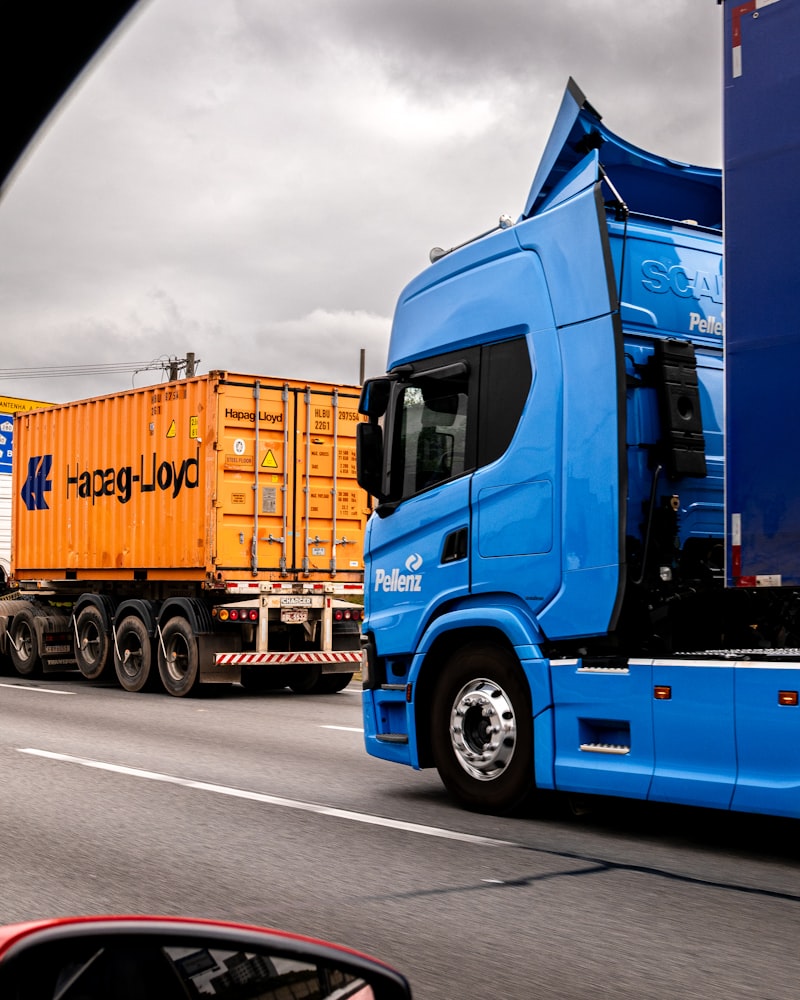
Specialist Cover for NZ Road Transport Operators
Truck & Transport Insurance NZ
Transport is a high-frequency, high-severity risk class. A properly structured programme brings fleet, goods in transit, carrier liability, employer obligations and downtime cover into one considered arrangement — reflecting how the operation actually runs.
Operational risks we understand
Transport risks are concentrated on the road but do not end there. Vehicle collision, rollover, theft and fire are the visible ones; underneath them sit driver fatigue, subcontractor liability, cargo damage in transit, temperature excursions, contractual indemnity clauses in cartage contracts, loading and unloading exposures, employer duties under the Health & Safety at Work Act, WorkSafe investigations after a serious incident, and the loss of income from a single truck being off the road for weeks. We work with operators to understand which of these are material to their programme.
Insurance responses that may be relevant
Depending on the operation, some or all of the following may apply. The point of a structured review is to work out which of these fit your circumstances, at what limits, and how the wordings interact.
How we review and structure the risk
We start with a structured conversation about your fleet, routes, cargo, contracts and history. We look at the previous insurer's wording, the claims record, any subcontractor and cross-liability arrangements, and what your cartage contracts actually require. We then design a programme — often across more than one insurer — and put the options in front of you with the trade-offs explained. We document the advice, place cover, and manage renewals and mid-term changes for as long as you're a client.
Cover Types
Who Is This For?
Why Exclusive Insurance Services?
Talk to an Adviser
Get specialist advice tailored to your situation. No obligation, no pressure.
What Insurers Typically Need
Information an insurer may require
Underwriters generally ask for the following when quoting or renewing this class of risk. Providing accurate information helps underwriters assess the risk and determine appropriate terms.
Vehicle schedule: rego, make/model/year, GVM, agreed or market value, and use (own goods vs. third-party cartage)
Driver schedule with age, licence class, endorsements and any driving convictions
Cargo profile: typical goods carried, values, temperature-controlled or hazardous flags
Territory of operation (regional / national / cross-Cook Strait)
Copies of the standard cartage contract and any client-specific indemnity clauses
3 to 5 years of claims history with paid, outstanding and declined values
H&S documentation: fatigue management plans, vehicle inspection routines, telematics use
Loss-prevention measures: immobilisers, GPS tracking, overnight storage and yard security
Details of any subcontractors, hire-drivers or labour-hire arrangements
When Something Happens
Claims considerations
We help manage the claims process from notification through to settlement, coordinating with you, the insurer and other parties involved and advocating for your interests throughout. Things that commonly affect a claim in this area:
Notify us as soon as reasonably possible — early notification helps preserve evidence and scene documentation.
Preserve dashcam, telematics and driver-log data at the earliest opportunity; these are frequently decisive.
Where a claim involves cartage of third-party goods, the cartage contract wording (particularly the liability clause) directly affects the insurer's response.
Serious injuries trigger WorkSafe obligations independent of the insurance claim; we assist with the interaction between the two.
Business-interruption / loss-of-use claims turn on your ability to evidence the revenue and fixed costs of the vehicle out of service.
Salvage decisions on total-loss trucks affect both the settlement and the next replacement cycle — we help you weigh the options.
Frequently Asked Questions
What does truck & transport insurance cover in NZ?
A well-structured programme brings together motor fleet, goods in transit, carrier's liability, public liability, statutory / employer's liability, loss of use and, where relevant, machinery, marine transit and cyber. Which of these apply — and to what limits — depends on the operation, and each is subject to policy terms, limits and underwriting.
Do I need goods in transit cover if I only carry my own goods?
Not necessarily. If the goods being carried belong to the business, they may sit under a material damage or stock-in-transit extension rather than a full goods-in-transit policy. If you carry any goods for other parties under a cartage contract, a specific goods-in-transit / carrier's-liability arrangement is typically appropriate.
How is fleet insurance priced?
Underwriters look at vehicles (type, value, use), drivers (age, licence, record), territory, cargo, claims history and loss-prevention measures. Accurate information usually improves the result on both price and wording — inaccurate information can affect a claim.
Can owner-drivers get cover on the same terms as a fleet?
Owner-drivers are typically written under specific owner-driver wordings that reflect the single-vehicle risk. Where an owner-driver operates under a principal's cartage arrangement, we can look at whether inclusion under the principal's programme is available and appropriate.
Does the policy cover subcontractor drivers?
Cover for subcontractor drivers depends on the policy wording and how the subcontractor arrangement is documented. It is a common area of dispute at claim time; we structure the programme and cross-liability position so this is clear before an incident, not after.
What happens if a truck is off the road after an accident?
Loss of use / downtime cover responds to the loss of revenue and continuing fixed costs while a truck is unusable. Limits, waiting periods and evidence requirements vary between insurers; we scope the cover to your actual per-day exposure.
Is telematics or GPS tracking required?
It is not universally required, but insurers increasingly ask about it and pricing/wording often reflect the answer. For high-value cargo or overnight-parked fleets it is frequently a condition of cover.
How often should we review our transport programme?
At least annually at renewal, and any time the operation changes materially — new contracts, new vehicles, expansion into new cargo types or territories, changes in subcontractor arrangements, or a significant claim.
About this page

Reviewed by Adi Sehgal
Verified adviserDirector & Principal Adviser
This page is general information about the class of cover. Actual cover, terms, premiums, limits, exclusions and eligibility vary by insurer, policy wording, underwriting decision and individual client circumstances. Nothing on this page constitutes personalised financial advice.