
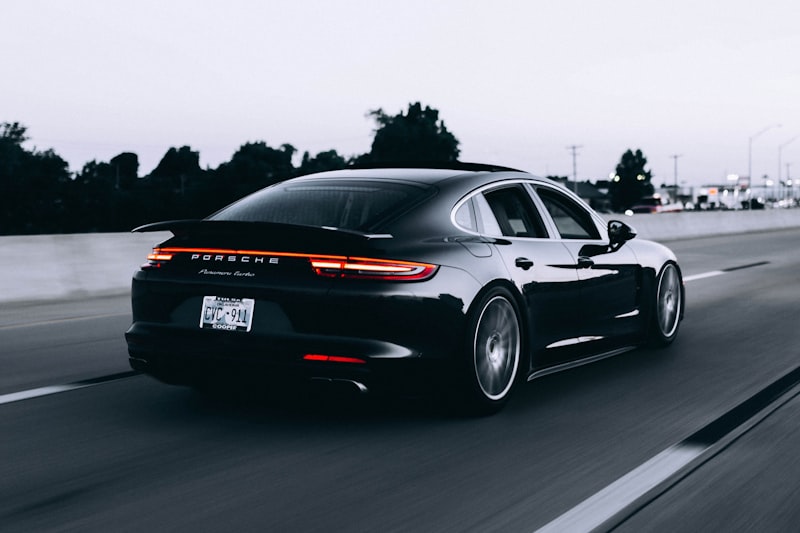
Prestige, Classic & Performance Vehicles
High-Value & Classic Car Insurance NZ
Prestige, performance and classic vehicles need cover written for agreed value, limited use, and specialist repair — not a standard motor policy.
Why High Value Cars Need Specialist Insurance
Standard motor insurance policies value vehicles at market or retail value, which often significantly undervalues prestige, classic, and collector vehicles. A 1972 Porsche 911 Carrera RS, a limited-edition Lamborghini, or a concours-condition classic Mercedes cannot be adequately insured on a standard motor policy. We arrange agreed value cover intended to reflect the value of your vehicle — whether it's a daily-driven modern supercar, a concours classic, or an investment-grade collection — based on a valuation and subject to insurer acceptance. Our specialist underwriters understand the nuances of vehicle valuations, modification values, and storage requirements.
What We Cover
Our high-value vehicle programmes are tailored to each vehicle's unique characteristics, usage pattern, and storage arrangements.
Cover Types
Who Is This For?
Why Exclusive Insurance Services?
Talk to an Adviser
Get specialist advice tailored to your situation. No obligation, no pressure.
What Insurers Typically Need
Information an insurer may require
Underwriters generally ask for the following when quoting or renewing this class of risk. Providing accurate information helps underwriters assess the risk and determine appropriate terms.
Vehicle details: make, model, year, VIN, agreed or market value basis
Storage arrangements (locked garage, alarmed, off-street)
Driver profile and any restrictions (named driver only, age limits)
Annual mileage and use (private, club events, weddings, competition)
Existing valuation report and provenance documentation
Modifications, non-original parts and specialist accessories
When Something Happens
Claims considerations
We help manage the claims process from notification through to settlement, coordinating with you, the insurer and other parties involved and advocating for your interests throughout. Things that commonly affect a claim in this area:
Photograph and document the vehicle regularly; a current agreed-value schedule with photos accelerates any total-loss claim.
Use panel repairers with experience on the marque; substandard repairs can materially affect value on a prestige/classic.
Salvage rights on total losses matter more than usual — the owner's attachment and the vehicle's reconstructability often warrant retention.
Cover for club events and rallies may be excluded on a standard motor policy; check the wording before entering an event.
Frequently Asked Questions
What is agreed value car insurance?
Agreed value means you and the insurer agree the vehicle's insured value when cover is arranged, based on a valuation. In the event of a total loss the insurer pays that agreed amount rather than a depreciated market value, subject to the policy terms and the agreed valuation being current. It suits classic, modified and appreciating vehicles.
Can I insure a car collection on one policy?
A collection policy can cover multiple vehicles under a single programme, which simplifies administration for larger collections. Terms, eligibility and pricing are subject to insurer acceptance and the vehicles involved.
Does classic car insurance cover track days or motorsport?
Standard motor policies exclude track and competition use. Track days and motorsport can sometimes be arranged, but are separately underwritten and subject to insurer acceptance and policy terms — organised events are assessed case by case rather than covered automatically.
How is an agreed value established and reviewed?
An agreed value is usually set from a recognised valuation, market and auction evidence, and the vehicle's condition, history and originality. Because values move, insurers typically expect it to be reviewed at renewal or after significant restoration or modification. The figure applied at any time is subject to insurer acceptance and the valuation being current.
Can modified or restored vehicles be insured?
Modified, restored and custom vehicles can often be arranged, but modifications must be declared and valued so the agreed value and wording reflect them — undeclared modifications can affect a claim. Acceptance and terms depend on the nature of the work and the insurer's underwriting.
How are occasional or younger drivers treated?
Specialist policies are often rated on limited, named drivers, so additional, occasional or younger drivers usually need to be declared and may affect eligibility, excess or premium. Letting an undeclared or excluded driver use the vehicle can prejudice a claim, so driver arrangements should be confirmed with the insurer.
Related
You may also find these pages useful
About this page

Reviewed by Adi Sehgal
Verified adviserDirector & Principal Adviser
This page is general information about the class of cover. Actual cover, terms, premiums, limits, exclusions and eligibility vary by insurer, policy wording, underwriting decision and individual client circumstances. Nothing on this page constitutes personalised financial advice.